
About Haipou Jadonang
Haipou Jadonang was a visionary Naga spiritual leader and freedom fighter from Manipur who led a movement against British rule.
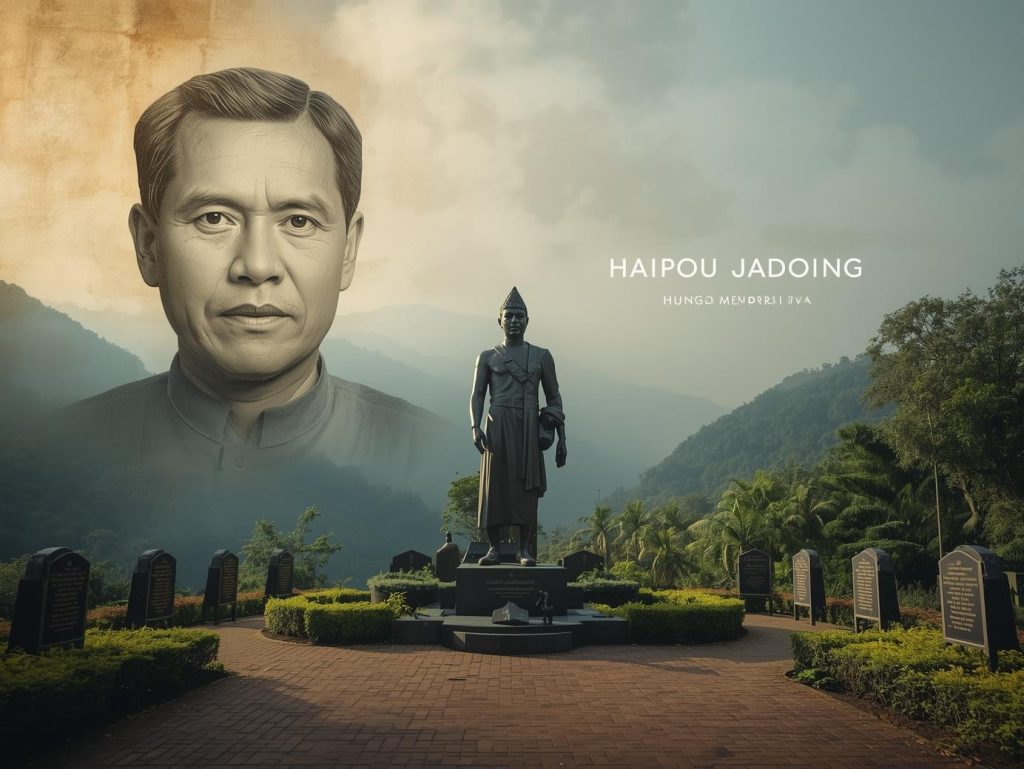
Early Life & Background
Haipou Jadonang was born in the early 20th century in a remote village of Manipur, belonging to the Zeliangrong Naga community. He grew up in a deeply spiritual and tradition-rich environment where indigenous beliefs, customs, and close ties to nature shaped daily life.
From a young age, Jadonang showed strong spiritual inclination and leadership qualities. Witnessing social injustice, exploitation, and the impact of British colonial rule on his people deeply influenced his thinking. These early experiences laid the foundation for his role as a spiritual reformer and a leader of resistance.
Early Life & Background
Haipou Jadonang was born in Kambiron village in present-day Manipur, a region surrounded by hills and forests and inhabited by the Zeliangrong Naga community. His birthplace played a vital role in shaping his worldview, deeply rooted in indigenous culture, spirituality, and respect for nature.
He was born into a humble tribal family that followed traditional Naga customs and religious practices. His family life emphasized discipline, community values, and spiritual belief, which later became central to his teachings and leadership.
Jadonang’s upbringing was marked by close interaction with village elders, rituals, and oral traditions. From an early age, he absorbed stories of ancestral pride, self-rule, and resistance. These formative experiences nurtured his sense of responsibility toward his people and prepared him for his future role as a spiritual guide and freedom fighter.
Cultural Identity
The Zeliangrong community, to which Haipou Jadonang belonged, represents a powerful blend of spirituality, tradition, and collective strength. This indigenous Naga group is known for its deep respect for ancestral beliefs, village governance, and harmony with nature.
Culture in Zeliangrong society is expressed through rituals, festivals, oral history, and traditional attire. These practices are not merely ceremonial; they form the moral foundation of the community, guiding social behavior and leadership values.
Growing within this cultural framework, Jadonang absorbed the ideals of self-respect, unity, and resistance to oppression. His identity as a leader was inseparable from the Zeliangrong worldview, which emphasized spiritual awakening, cultural revival, and protection of indigenous identity.
Spiritual Traditions
Strong belief in ancestral spirits, rituals, and sacred natural spaces.
Community Governance
Village councils and elders played a central role in decision-making.
Cultural Expression
Dance, music, attire, and oral storytelling preserved identity.
Legacy of Resistance
A tradition of self-rule and opposition to external domination.
Influences & Early
Leadership Qualities
The making of a spiritual guide and a voice of resistance
Jadonang’s upbringing was marked by close interaction with village elders, rituals, and oral traditions. From an early age, he absorbed stories of ancestral pride, self-rule, and resistance. These formative experiences nurtured his sense of responsibility toward his people and prepared him for his future role as a spiritual guide and freedom fighter.
Guidance from village elders, ritual practitioners, and oral traditions deeply influenced his worldview. These influences strengthened his belief that spiritual renewal and cultural unity were essential for social transformation.
01
Spiritual Conviction
Deep belief in indigenous faith gave him moral authority.
02
Visionary Thinking
He imagined cultural revival as the path to freedom.
03
Fearless Voice
Spoke boldly against injustice despite personal risk.
04
Community Trust
Earned respect through integrity and selfless service.